
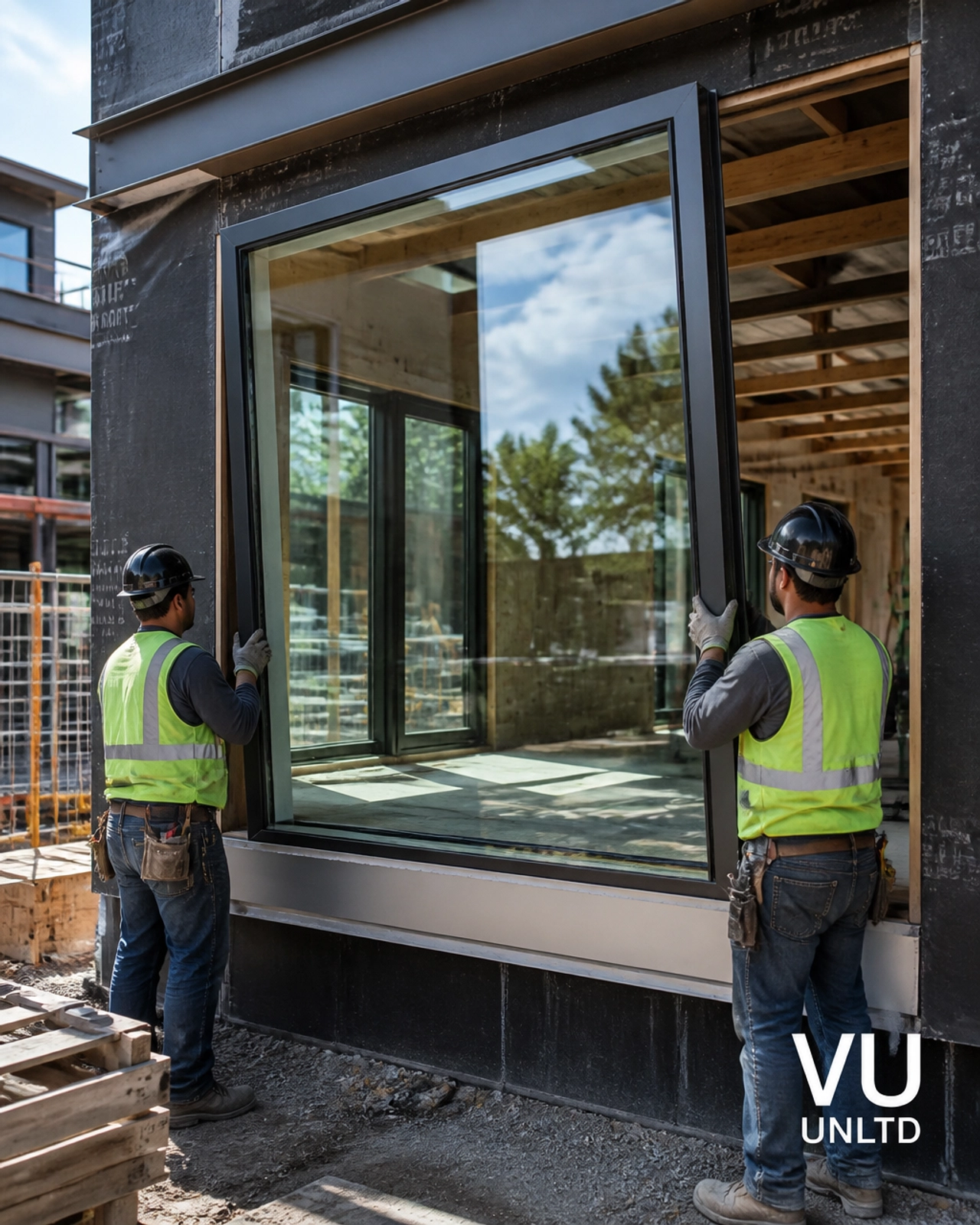
Meta Description: Learn 10 reasons why architectural specifications cause construction delays and how to fix them using digital tools and workflow automation.
Tags: Construction Technology, Project Management, Procurement Software, Building Materials, Digital Transformation

Introduction: Why Specification Problems Slow Projects Down
Architectural specifications guide material selection, scope, and procurement. When those documents contain gaps, mismatches, or outdated information, projects slow down. Teams lose time in review cycles, RFIs, substitutions, and rescheduling. Many of these issues start during documentation and move directly into the building materials supply chain.
A better process depends on clear information, fewer manual steps, and connected digital construction tools. The ten points below explain common causes of delay and outline practical fixes using architectural specification tools and construction workflow automation.
1. Drawings and Specifications Do Not Match
One common cause of delay is a mismatch between drawings and written specifications. A drawing may show one material while the specification lists another. When that happens, the team has to stop and submit an RFI. Work slows down while the issue is reviewed.
Actionable Fix: Connect Drawings to Material Schedules
Use architectural specification tools that connect drawings, schedules, and product data in one system. When a design update is made, the specification should update with it. Venari Unlimited uses connected workflows that reduce manual checking and lower the risk of conflicting information.

2. Manual Data Entry Creates Errors
Many teams still enter product codes, quantities, and performance data by hand. That process is slow and easy to get wrong. One incorrect code can result in the wrong material being ordered, which creates rework and lost time.
Actionable Fix: Use Construction Workflow Automation
Apply construction workflow automation to reduce repeated typing and copying. Use architectural specification tools that pull verified product data directly from manufacturer databases. This improves accuracy and keeps information moving through the building materials supply chain without avoidable errors.
3. Teams Do Not Confirm Product Availability Early
In many projects, architects, suppliers, and manufacturers work in separate channels. As a result, a specified product may be out of stock, delayed, or discontinued before procurement begins. The problem often appears late, after the design is already approved.
Actionable Fix: Verify Availability During Design
Bring manufacturing partners into the process early. Use digital construction tools that show current availability and lead times before products are finalized. Venari Unlimited aligns manufacturers with design teams early so specified materials remain available when procurement starts.

4. Lead Times Are Based on Old Information
Specifications often rely on past lead times instead of current market conditions. That creates schedule problems. If the team plans for an 8-week delivery but the product now needs 20 weeks, the project falls behind.
Actionable Fix: Track Lead Times in Real Time
Use digital construction tools that provide current logistics and manufacturing data. Real-time visibility helps teams adjust schedules, choose alternates, and protect the critical path before procurement is locked in.
5. Performance Requirements Are Too Vague
Phrases like "or equal" create confusion during bidding and procurement. Contractors may submit substitutions that do not meet design intent. The design team then has to review options, answer questions, and issue clarifications.
Actionable Fix: Define Measurable Criteria
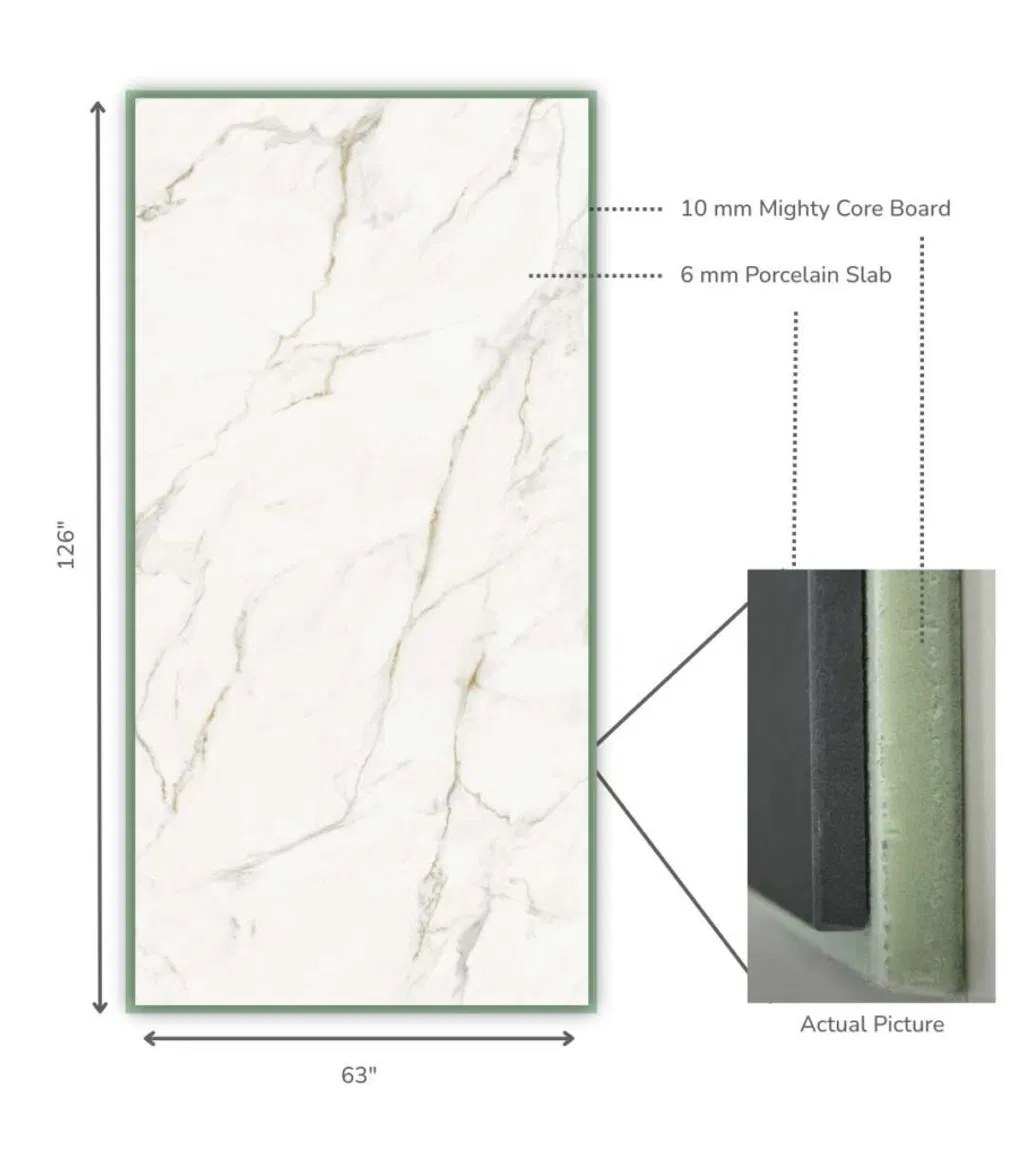
Write specifications with clear performance standards, approved product categories, and verified technical data. Standardized schedules make reviews faster and reduce unnecessary substitutions. Detailed product information, such as that used in porcelain panel systems, helps teams confirm compliance quickly.
6. Specifications Depend Too Much on Field Labor
When specifications require complex on-site assembly, the schedule becomes more sensitive to labor shortages, weather, and coordination issues. Field-built work can take longer and create more variation than planned.
Actionable Fix: Specify Prefabricated Systems
Move more work into controlled manufacturing environments. Prefabricated and modular systems reduce field labor and improve consistency. This approach supports faster delivery and fits well with a modern construction workflow.
7. Procurement Is Managed in Too Many Separate Steps
Ordering flooring, wall systems, cladding, and specialty products through separate channels creates extra administration. Teams have to track more invoices, contacts, shipping dates, and updates. That complexity makes missed steps more likely.
Actionable Fix: Consolidate Ordering Where Possible
Use procurement systems that group related materials into coordinated packages. Fewer transactions mean fewer handoffs and fewer chances for delay. This also helps the building materials supply chain stay aligned with the project schedule.
8. Documents Are Inconsistent or Out of Date
Specifications must match current codes, standards, and submission requirements. If formatting is inconsistent or references are outdated, permit reviews take longer. Reviewers may reject incomplete documents and request revisions.
Actionable Fix: Standardize Review and Quality Control
Set a formal review process before submission. Assign project managers or document control leads to check formatting, code references, and completeness. Consistent review reduces permitting delays across project portfolios.
9. Specifications Ignore New Delivery Methods
Some projects still use old specification methods that do not account for newer systems such as modular assembly or 3D concrete printing. That can limit speed, precision, and coordination opportunities during delivery.
Actionable Fix: Evaluate Advanced Manufacturing Options Early
Review whether advanced methods fit the project during design development. Including options like 3D concrete printing early can shorten production time and improve precision for complex assemblies.

10. Late Specification Changes Disrupt the Entire Schedule
Changes made after procurement starts create major delay risk. Orders may need to be canceled. New lead times may apply. Drawings, budgets, and coordination plans may all need updates.
Actionable Fix: Set Clear Decision Milestones
Use a structured design process with approval deadlines and specification lock points. A disciplined digital process helps teams finalize decisions earlier and reduce late-stage scope creep.
Conclusion: Build a More Reliable Specification Process
Specification delays are often preventable. Most come from disconnected data, manual work, unclear requirements, or late decisions. With the right architectural specification tools, construction workflow automation, and connected digital construction tools, teams can reduce friction across design, procurement, and the building materials supply chain.
Priority Actions for Specification Improvement:
- Connect drawings, schedules, and product data in one workflow.
- Automate manual entry and repetitive review tasks.
- Verify availability and lead times before final selection.
- Standardize performance requirements and procurement steps.
- Lock major specification decisions before ordering begins.
For professional assistance in modernizing architectural specifications and procurement workflows, contact the technical team at Venari Unlimited.