
Sustainable material selection is a critical component of modern building project management. Selecting the appropriate sustainable building materials requires a rigorous evaluation of technical performance, environmental impact, and long-term return on investment (ROI). For architects, designers, and contractors, the decision-making process is increasingly supported by advanced construction technology and digital construction tools.
Effective procurement necessitates a shift from evaluating initial costs to analyzing lifecycle performance. This article outlines the frameworks required to assess materials, integrate construction workflow automation, and optimize the building materials supply chain for superior project outcomes.
Technical Selection Framework in Building Project Management
The integration of sustainable materials begins at the design and specification phase. Architectural specification tools allow professionals to compare material properties against project requirements. Standard metrics for evaluation include thermal resistance (R-value), embodied carbon content, and durability ratings.
In a professional building project management environment, the selection process must be systematic. Materials such as Cross-Laminated Timber (CLT), low-carbon concrete, and recycled steel are evaluated based on their ability to meet structural requirements while reducing the environmental footprint. Digital construction tools facilitate this by providing real-time data on material availability and performance benchmarks.
Performance Comparison of Sustainable Materials
Sustainable materials must meet or exceed the performance of conventional alternatives to justify their inclusion. The following table provides a technical comparison of common sustainable materials against standard industry benchmarks.
| Material Category | Performance Advantage | ROI Indicators |
|---|---|---|
| Low-Carbon Concrete | High compressive strength; 30-50% reduction in CO2 emissions. | Potential for green financing; carbon tax mitigation. |
| Engineered Timber (CLT) | High strength-to-weight ratio; faster assembly via construction manufacturing. | Reduced labor costs; accelerated project timelines. |
| Recycled Steel | Equivalent structural integrity to virgin steel; 100% recyclable. | Market stability; compliance with circular economy mandates. |
| High-Performance Insulation | Superior thermal barrier; reduced HVAC load. | 20-30% reduction in annual operational energy costs. |
The use of construction manufacturing techniques, such as prefabrication and modular assembly, further enhances the performance of these materials by ensuring precision and reducing on-site waste.
Financial Analysis: ROI and Life-Cycle Costs
The primary barrier to adopting sustainable building materials is the perceived upfront cost premium, which typically ranges from 5% to 15%. However, a comprehensive ROI analysis reveals that these materials offer significant long-term financial benefits.
Operational Savings
High-performance envelopes and advanced MEP (Mechanical, Electrical, and Plumbing) systems significantly reduce energy consumption. Over a 20-year building lifecycle, the reduction in utility and maintenance expenses often exceeds the initial procurement premium. Project delivery software can be utilized to simulate these long-term savings during the pre-construction phase.
Value Appreciation and Financing
Buildings with high sustainability ratings often command higher market values and rental rates. Furthermore, the availability of green loans and reduced interest rates for sustainable projects improves the financial viability of the investment. Construction procurement software tracks these financial metrics to ensure the project remains within budget while meeting sustainability goals.
The Role of Construction Technology
Modern building projects rely on construction technology to bridge the gap between design intent and physical delivery. The use of Building Information Modeling (BIM) and other digital construction tools allows for the precise specification of materials.
Architectural specification tools enable designers to select products that are verified for environmental compliance. These tools integrate directly with the building materials supply chain, providing visibility into lead times and manufacturing schedules. This integration is essential for maintaining project timelines and avoiding the volatility associated with traditional procurement methods.

Optimizing the Building Materials Supply Chain
The building materials supply chain is often a source of friction in construction projects. Fragmented communication and opaque pricing structures lead to delays and budget overruns. Venari Unlimited addresses these challenges by aligning manufacturing partners with digital workflows to streamline delivery.
Construction Manufacturing Integration
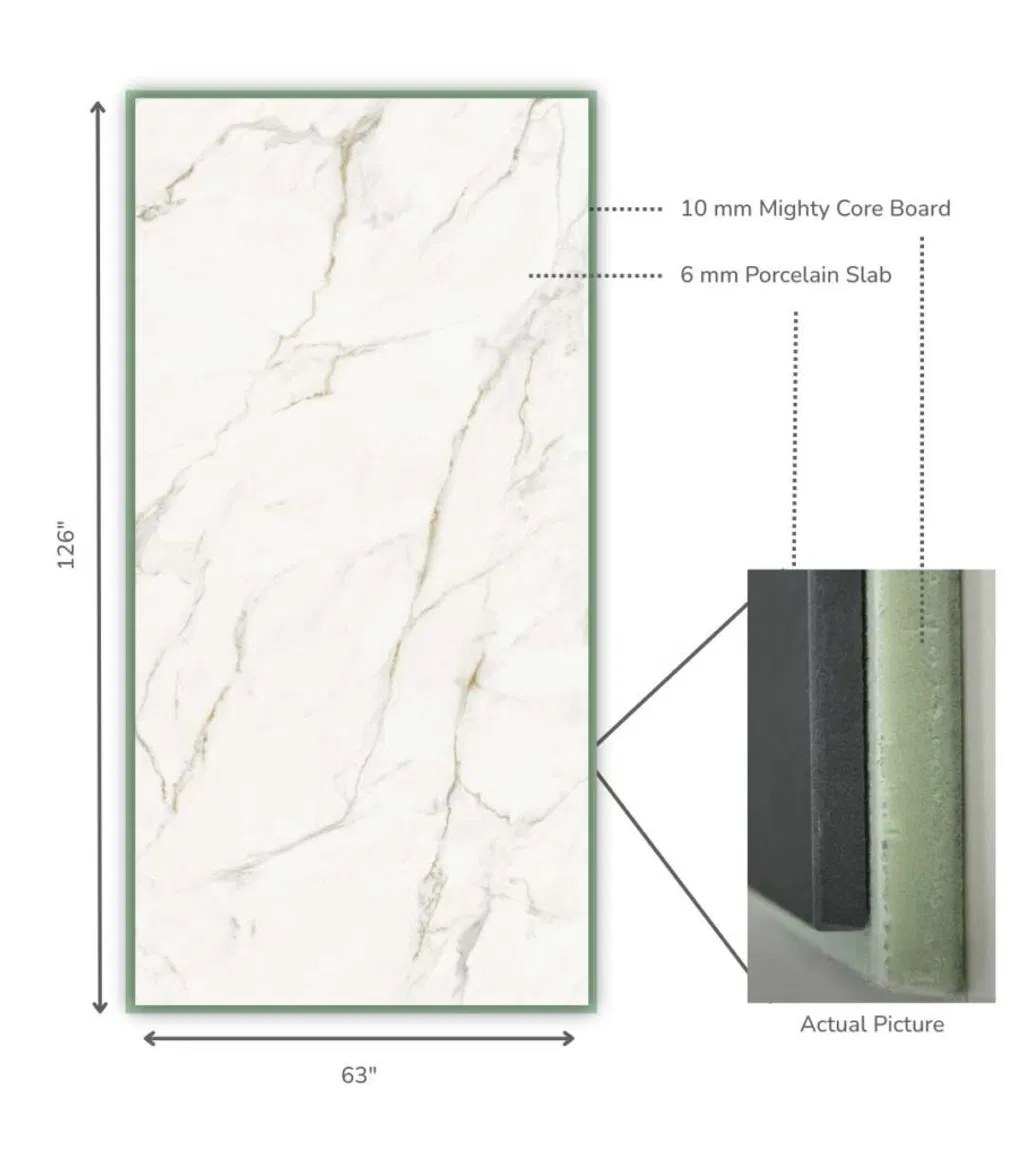
By sourcing materials directly from construction manufacturing facilities, project managers can eliminate intermediaries. This direct connection ensures that materials are produced to exact specifications and delivered just-in-time. For example, large-format porcelain panels or modular cabinetry, as seen in the Venari Unlimited catalog, are manufactured using precision tools that minimize waste and maximize durability.
Supply Chain Transparency
Construction procurement software provides real-time tracking of material shipments. This level of transparency is vital for large-scale projects where material delays can have a cascading effect on the entire schedule. Detailed logs of material origins and technical specifications are maintained within the company’s portfolio systems to ensure accountability and quality control.
Workflow Automation and Project Delivery
Efficiency in material selection is achieved through construction workflow automation. By automating repetitive tasks such as material take-offs, bid comparisons, and purchase order generation, professionals can focus on high-level strategic decisions.
Automated Procurement
Construction procurement software automates the sourcing process by matching project specifications with available manufacturer inventory. This reduces the time spent on manual research and ensures that the selected sustainable building materials meet all technical and budgetary requirements.
Integrated Project Delivery
The use of project delivery software ensures that all stakeholders: architects, contractors, and owners: are working from a single source of truth. This collaborative approach minimizes errors in material specification and ensures that the sustainability goals defined at the project’s inception are realized in the final build.

Conclusion: Strategic Implementation for ROI
Choosing the best sustainable building materials is a data-driven process that requires a balance of performance, cost, and environmental impact. Professionals must leverage construction technology and digital construction tools to navigate the complexities of the modern building landscape.
The implementation of construction workflow automation and specialized architectural specification tools is no longer optional for firms seeking to remain competitive. By optimizing the building materials supply chain and utilizing advanced construction manufacturing, projects can achieve exceptional results with reduced friction.
For further information on integrating these systems into your next project, review our service disciplines and explore how digital transformation is redefining the construction industry. The transition to sustainable materials, supported by robust project delivery software, ensures that today’s buildings are prepared for the regulatory and economic demands of the future.