
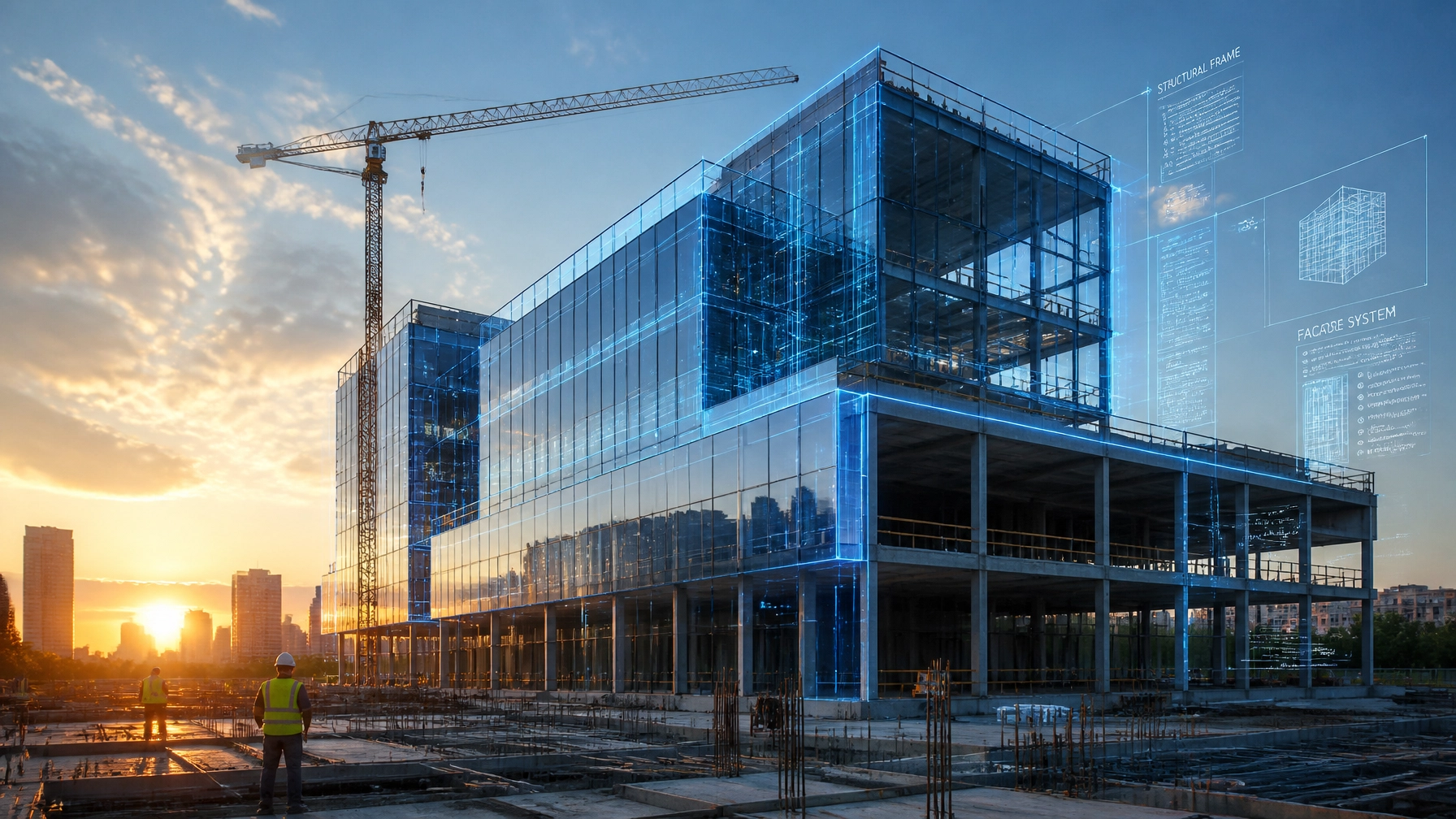
Let’s be honest: building things is hard. If you are an architect, contractor, or developer, you know that the "actual building" part is often the easiest part of the job. The real headache? It’s the paperwork. It’s the endless emails, the missed submittals, the "where is that pallet of materials?" phone calls, and the manual data entry that eats up your Friday afternoons.
For a long time, the construction industry has been one of the slowest to adopt technology. While other sectors moved to the cloud years ago, many construction sites are still running on spreadsheets, paper blueprints, and a lot of hope.
But things are changing. Construction workflow automation is no longer a "nice to have" luxury for massive firms, it’s becoming the standard for anyone who wants to stay competitive. In this post, we’re going to dive into why automation is the future of building project management and share some actionable hacks you can use to reclaim your time and sanity.
What Does Workflow Automation Actually Mean?
When people hear "automation," they often think of robots or complex AI. In the world of construction, it’s much simpler. Automation is simply using digital construction tools to handle the repetitive, manual tasks that usually slow a project down.
Think about an RFI (Request for Information). The old way involves writing an email, waiting for a reply, logging that reply in a spreadsheet, and then notifying the field team. The automated way? You click a button, the system routes the request to the right person, tracks the deadline, and updates the project dashboard automatically once it's resolved.
We are moving away from manual tracking and toward systems that "talk" to each other. This is exactly what we focus on here at Venari Unlimited, aligning manufacturing partners with the digital tools needed to make building feel like a 21st-century industry.
Why Automation is a Game Changer for Building Project Management
If you’ve ever had a project go over budget because of a simple clerical error, you already know why this matters. But here are the three biggest reasons why automation is shifting the landscape:
1. Real-Time Visibility
In the past, you didn’t really know the status of your project until the weekly meeting. By then, a small problem could have turned into a massive delay. With automated workflows, your data is live. You can see exactly where your procurement stands or how many inspections have been passed without leaving your desk.
2. Elimination of Human Error
Manual data entry is the enemy of accuracy. Transcribing numbers from a paper site report into a master budget is a recipe for disaster. Automation eliminates the "middleman" by letting data flow directly from the field to your accounting or management software.
3. Faster Approval Loops
Nothing kills a project’s momentum like waiting three weeks for a change order approval. Automated workflows send notifications and reminders to the right people, ensuring that paperwork doesn't become a bottleneck.

Actionable Hacks to Automate Your Workflow Today
You don't need to overhaul your entire business overnight. You can start small with these three "hacks" that will immediately impact your efficiency.
Hack #1: Digital Specification and Material Tracking
One of the biggest friction points in construction is the gap between what is specified and what actually shows up on-site. By using digital specification tools, you can link your design documents directly to your procurement system.
When you use innovative materials like our Muddskip™ systems, having a digital trail ensures that the high-performance results you promised in the design phase are actually delivered during construction.
- Try this: Use a tool that allows you to scan QR codes on material deliveries. This can automatically update your inventory and notify the project manager that the materials have arrived, cutting out the "did it show up?" phone tag.

Hack #2: Automated Field Reporting
Stop asking your foremen to fill out paper daily logs. It’s a waste of their time and yours.
- Try this: Set up a mobile-friendly digital form for daily reports. Use a tool where fields like "weather" are pulled in automatically based on location. Once the foreman hits "submit," the report should be automatically emailed to the stakeholders and filed in the project’s digital folder. This saves hours of manual filing and ensures you have a solid audit trail for every single day on the job. For more on this, check out our guide on 7 construction workflow automation hacks.
Hack #3: The "Single Source of Truth" Dashboard
Stop searching through five different folders and three email threads to find a document.
- Try this: Integrate your communication. Tools like Procore or Autodesk Build can act as your "single source of truth." If you integrate your supply chain data into these platforms, you can see how building material risks might affect your timeline in real-time.
The Human Element: Collaboration Made Easy
There is a common fear that "automation" means "less human connection." In reality, it’s the opposite. When you aren't bogged down by data entry, you have more time to actually talk to your team, solve creative problems, and build better relationships with your clients.
Digital tools allow architects, contractors, and developers to look at the same data at the same time. This transparency builds trust. When everyone knows the score, there is less finger-pointing and more problem-solving.

Better Materials, Better Workflow
At Venari Unlimited, we believe that the material itself is part of the workflow. For example, our revolutionary drywall technology isn't just about a better finish; it's about reducing steps in the finishing process.
When you combine digital construction tools with materials designed for speed and performance, you aren't just making a building, you're optimizing a system.

Why Now?
The cost of materials is rising, labor is harder to find, and project timelines are tighter than ever. You simply cannot afford the "friction" of manual management anymore.
By embracing construction workflow automation, you are securing your project’s future. You’re ensuring that your team can focus on what they do best: building exceptional structures that stand the test of time.
If you’re ready to see how a streamlined, digital-first approach can change your next project, take a look at our ultimate guide to building project management. Let’s stop fighting the paperwork and start building the future.