
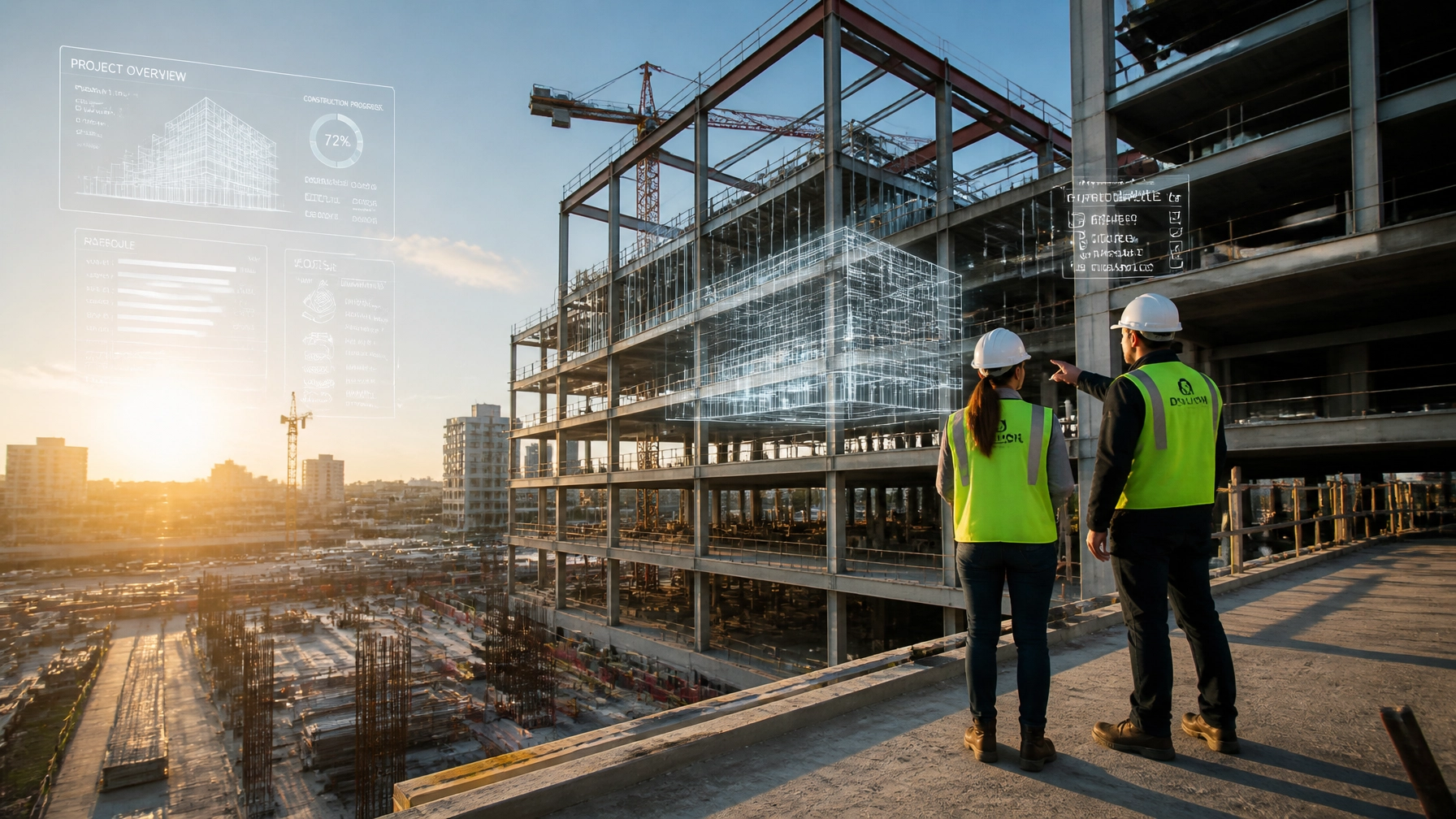
By 2026, the construction industry has reached a turning point. We’ve all seen the shift: the days of chasing paper trails and manually cross-referencing spreadsheets are fading. Today, the number one conversation in architectural firms and job site trailers isn't just about "building better": it’s about building smarter.
Specifically, everyone is talking about construction procurement software and how to automate the heavy lifting of the supply chain.
But here’s the thing: many developers and contractors are still hesitant. They worry that "automation" means a loss of control, or that a computer might make a high-stakes mistake that delays a multi-million dollar project. At Venari Unlimited, we’ve seen that the opposite is true. Automation, when done right, gives you more control, not less. It creates a safety net that catches errors before they become expensive site delays.
If you’re ready to modernize your workflow but want to keep your hands firmly on the wheel, this is the 5-step framework to get there.
Step 1: Map Your Value Chain (Before You Touch the Tech)
Before we talk about software, we have to talk about your process. You can’t automate a mess. If your current procurement process is a "shadow supply chain" of phone calls and unrecorded favors, automation will only make those problems happen faster.
The first step is to sit down with your team and map out every single touchpoint from the moment a designer specifies a material to the second it arrives on-site.

Ask yourself:
- Who approves the budget?
- Where do the material takeoffs live?
- How do we currently compare quotes from different manufacturers?
By mapping this out, you identify the bottlenecks. Are you spending too much time on manual data entry? That’s a prime candidate for construction workflow automation. At Venari, we focus on eliminating the "shadow supply chain" risks by bringing these invisible steps into the light.
Step 2: Build a Common Data Environment
Once you know your process, you need a single place where all your information lives. In 2026, we call this a Common Data Environment (CDE).
Think of it as a digital "source of truth." When your architects change a specification in a BIM model, that change should automatically update your procurement list. If your procurement data is siloed away from your design data, you’re asking for trouble.
Integrating your construction technology means that your project managers, accountants, and site supervisors are all looking at the same live data. This transparency is the foundation of control. When you can see the real-time status of every order, you don’t have to wonder if the glass panels will arrive on time: you already know.

Step 3: Digitize and Standardize Your Workflows
Now we get to the "how." To automate procurement, you need to turn your manual habits into digital standards. This means using digital bid packages, standardized supplier pre-qualification forms, and automated purchase order (PO) routing.
Instead of an email chain that gets lost in an inbox, an automated workflow routes the PO to the right person for approval based on the project’s budget limits. If the PO is under $10k, it goes to the site lead. If it’s over $50k, it goes to the director.
This is where modern digital construction tools really shine. They don't take the decision-making away from you; they just handle the "delivery" of the decision-making process. You’re still the one setting the rules; the software is just the tireless assistant making sure the rules are followed.
Step 4: Layer in AI and Predictive Automation
This is the "2026 secret sauce." Once your data is centralized and your workflows are digital, you can start using AI to handle the complex, data-heavy tasks that usually eat up your afternoons.
Modern AI agents can now read your architectural drawings to auto-generate a Bill of Materials with incredible accuracy. But it goes further than that. Predictive automation can look at global supply chain trends and warn you if a specific building material is likely to see a price hike or a shipping delay three months from now.

Imagine being able to "hedge" your material costs because your construction procurement software saw a trend you didn't. This isn't science fiction: it’s how high-performance projects stay on budget today. You can learn more about these specific tactics in our guide to construction workflow automation hacks.
Step 5: Continuous Optimization and Resilience
Automation isn't a "set it and forget it" task. The final step of the framework is to use the data your system generates to get better every single time.
In 2026, the best contractors aren't just looking at the final cost of a project; they're looking at "procurement velocity." How long did it take from the initial request to the material arriving on-site? Which manufacturing partners were the most reliable?
By analyzing these metrics, you can refine your automation rules. Maybe you find that certain materials are better suited for off-site modular fabrication to save time. This kind of systems thinking is what prevents infrastructure failure at scale.
Why This Matters for Your Next Project
At Venari Unlimited, we don’t believe in technology for technology’s sake. We believe in technology that makes your life easier and your projects more profitable.
The 5-step framework: mapping, centralizing, standardizing, layering AI, and optimizing: is designed to take the chaos out of the building process. Whether you are an architect looking to ensure your specs are followed or a contractor trying to stay ahead of a tight schedule, procurement automation is your greatest ally.
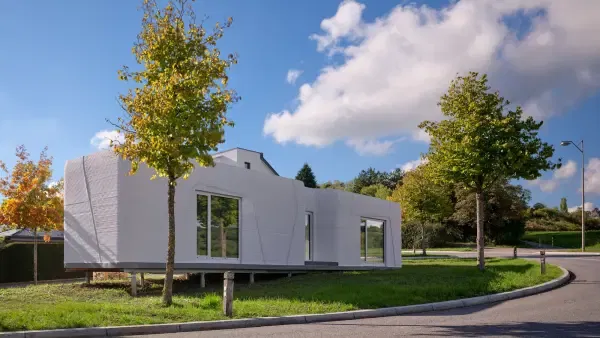
The reality of 2026 is that the projects that succeed are the ones that embrace the digital shift. By automating the repetitive and the risky, you free up your team to focus on what they do best: building exceptional structures.
Ready to take the next step? Check out The Ultimate Guide to Building Project Management in 2026 to see how these pieces fit into your larger strategy.