
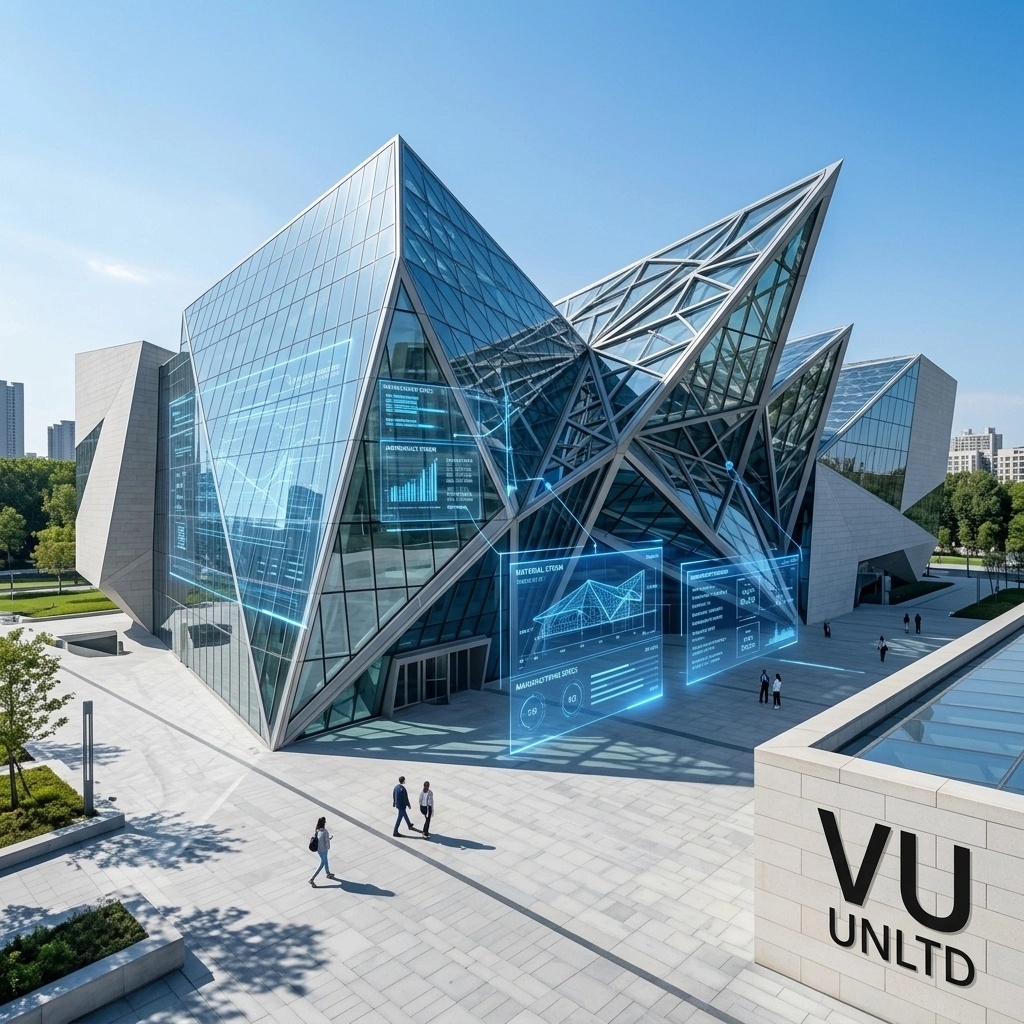

Construction Technology in Building Project Management

The construction industry is transitioning from manual, fragmented procurement methods to integrated digital ecosystems. This shift is a technical requirement for executing high-performance projects. Traditional workflows often operate within a “black box” where material sourcing, lead times, and fabrication quality remain opaque until delivery. Modern construction technology eliminates these variables by aligning digital design tools directly with manufacturing partners.
The implementation of advanced digital construction tools ensures that project specifications translate into precise manufacturing instructions. This alignment reduces the margin for error and establishes a clear data trail for every component. High-performance building requires this level of structural transparency to meet rigorous engineering and aesthetic standards.
Construction Procurement Software and the Building Materials Supply Chain
Procurement in traditional construction models involves multiple intermediaries and disconnected communication channels. This fragmentation leads to data loss and logistical delays. Integrated construction procurement software centralizes these processes. It provides a single point of truth for all stakeholders, including architects, contractors, and manufacturers involved in the building materials supply chain.
Centralization allows for real-time tracking of materials and components. Stakeholders can monitor production status and shipping schedules with high granularity. This visibility is essential for complex assemblies, such as custom glass facades or large-format stone installations. When procurement data is integrated into the project management workflow, the risk of material-related delays decreases by an estimated 15%.
Construction Manufacturing with Digital Construction Tools
High-performance results depend on the quality of the supply chain. Venari Unlimited utilizes a network of manufacturing partners that support advanced digital fabrication and construction manufacturing. This integration allows for the production of components that meet exact digital models. Precision is no longer a luxury but a standard output of the digital-to-manufacturing pipeline.
Manufacturing partners utilize automated systems to produce materials with extreme consistency. Whether the project requires specialized cabinetry or structural modular components, the digital interface ensures that the final product adheres to the original design intent. This process eliminates the need for extensive on-site modifications and adjustments.
Construction Workflow Automation and Architectural Specification Tools
- Design-to-Installation Alignment: Digital construction tools allow for the creation of precise 3D models that serve as fabrication templates.
- Material Specification Accuracy: Architectural specification tools and automated systems ensure that material properties and dimensions meet specified tolerances.
- Logistical Optimization: Real-time data allows for just-in-time delivery, reducing the need for on-site storage and minimizing material damage across the building materials supply chain.
- Enhanced Interdisciplinary Collaboration: Centralized platforms allow architects and engineers to communicate design changes directly to manufacturers through project delivery software.

Sustainable Building Materials and Performance Standards
The selection of sustainable building materials significantly impacts the performance and longevity of a structure. Advanced technology facilitates the sourcing and implementation of high-end materials that were previously difficult to procure or install. For instance, large-format polished blue onyx or complex geometric glass systems require specialized handling and precise alignment.
Digital construction tools allow for the simulation of how these materials will perform within a specific environment. This predictive capability is vital for high-performance projects where environmental factors and aesthetic requirements are paramount. Integrating material science with construction technology ensures that the structural integrity and visual impact of the project are maintained over time.
Project Delivery Software for Operational Efficiency and Timeline Acceleration
Technology serves as a primary driver for accelerating project timelines. Automated procurement, construction workflow automation, and manufacturing reduce the time required for material specification and production. Furthermore, the use of innovative products like high-adhesion patching compounds and drywall additives streamlines the finishing process.
Products such as MuddskiP allow for rapid installation by converting multiple steps into a single efficient workflow. These technological advancements reduce labor hours and minimize the potential for rework. When finishing times are reduced, subsequent trades can begin their work sooner, leading to a cumulative reduction in the total project duration.

Construction Workflow Automation in Construction Processes
The adoption of robotic systems and 3D printing represents the future of structural execution. Automated additive manufacturing allows for the rapid production of precise structural components. These systems can operate continuously, providing a level of productivity that manual labor cannot match.
Robotic arms and 3D concrete printing equipment enable the creation of complex geometries that are cost-prohibitive using traditional methods. This capability expands the architectural possibilities for high-performance projects while maintaining strict adherence to engineering standards. The integration of these technologies into the construction site reduces waste and increases the overall safety of the building process.
Building Project Management with Digital Construction Tools
Building project management depends on the analysis of real-time data. Construction technology platforms provide dashboards that display key performance indicators, including budget status, material availability, and labor productivity. This data allows project managers to make informed decisions and address potential issues before they escalate.
Fact-based decision-making replaces the reliance on assumptions and anecdotal evidence. For high-performance projects, where margins for error are slim, this level of analytical rigor is necessary. Access to real-time information ensures that the project remains on schedule and within the established financial parameters through digital construction tools and project delivery software.

Project Delivery Software for Precision Results
The ultimate objective of integrating construction technology is the delivery of a superior final product. High-performance projects require a level of precision that is only achievable through digital synchronization. Every component, from the structural steel to the interior finishes, must align perfectly to achieve the desired result.
The portfolio of Venari Unlimited demonstrates the effectiveness of this integrated approach. By utilizing advanced digital construction tools, architectural specification tools, and manufacturing partnerships, the company delivers projects that meet the highest standards of quality and performance. The transition to technology-driven execution is a strategic necessity for professionals aiming to modernize their procurement and specification processes.
Future Requirements for Construction Technology and the Building Materials Supply Chain
As the construction industry continues to evolve, the reliance on digital tools and automated systems will increase. Professionals in architecture, design, and contracting must adapt to these new standards to remain competitive. The integration of technology into the building process provides a clear path to achieving exceptional results with greater efficiency.
The following deliverables are standard for projects executed within a modern technological framework:
- Integrated Digital Twins: Accurate digital representations of the physical structure for use during and after construction.
- Transparent Supply Chain Documentation: Detailed records of material sourcing, fabrication, and delivery.
- Automated Quality Assurance: Systems that verify component accuracy against digital specifications.
- Optimized Resource Allocation: Data-driven tracking of labor and equipment to maximize productivity.
For further information on how these systems are applied across various disciplines, consult the technical resources available at Venari Unlimited. The systematic application of these technologies ensures that high-performance projects are delivered with precision, speed, and structural integrity.