
Infrastructure is often designed in controlled conditions.
Drawings are clean.
Specifications are precise.
Assumptions are stable.
Real-world environments are none of those things.
The Gap Between Specification and Reality
A system that performs perfectly in theory can fail quickly when exposed to:
- Heat
- Moisture
- Load variation
- Human interaction
- Time
This gap is where most performance issues originate.
Environment Is Not a Variable — It Is the System
Venari structures projects around environmental conditions first.
Instead of asking:
“What materials should we use?”
We ask:
“What environment will this system operate in?”
That shift changes everything.
Environmental Categories Drive Performance
Each discipline reflects a real-world condition:
- Earth → structural load and surface durability
- Sea → moisture, exposure, and waterproofing
- Sky → light, visibility, and transparency systems
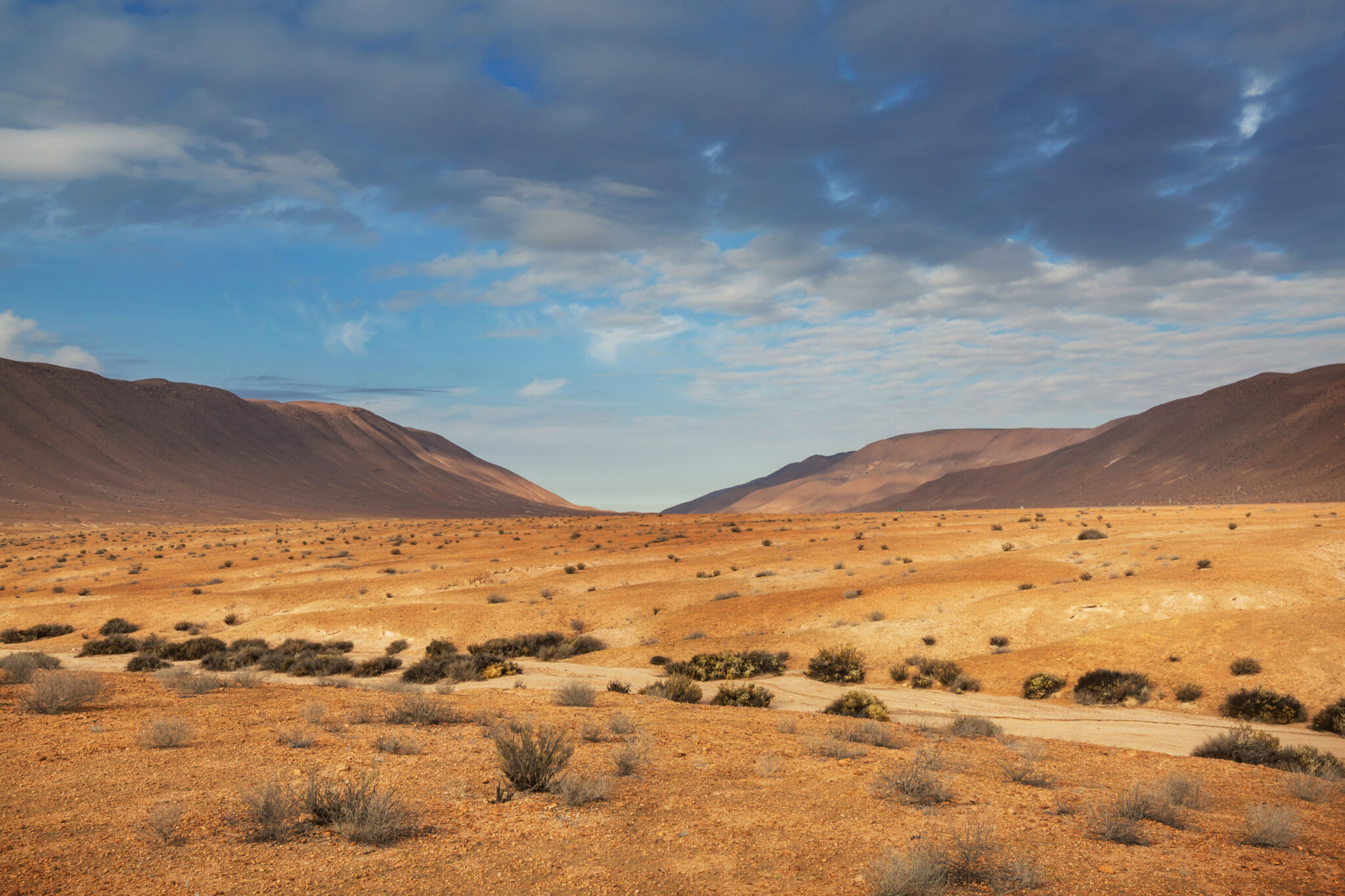
- Desert → heat, sun exposure, and long-term endurance
- Fire → energy, interaction, and focal systems
- Trees → natural integration and environmental balance
By designing within these contexts, systems are built to perform where they actually exist — not where they were modeled.
What This Prevents
- Premature material failure
- Misaligned system performance
- Costly retrofits
- Inconsistent user experience
What This Enables
- Longevity
- Reliability
- Predictability
- Scalable deployment
Final Thought
Specification defines what something is.
Environment defines how it behaves.
Only one of those determines long-term performance.