
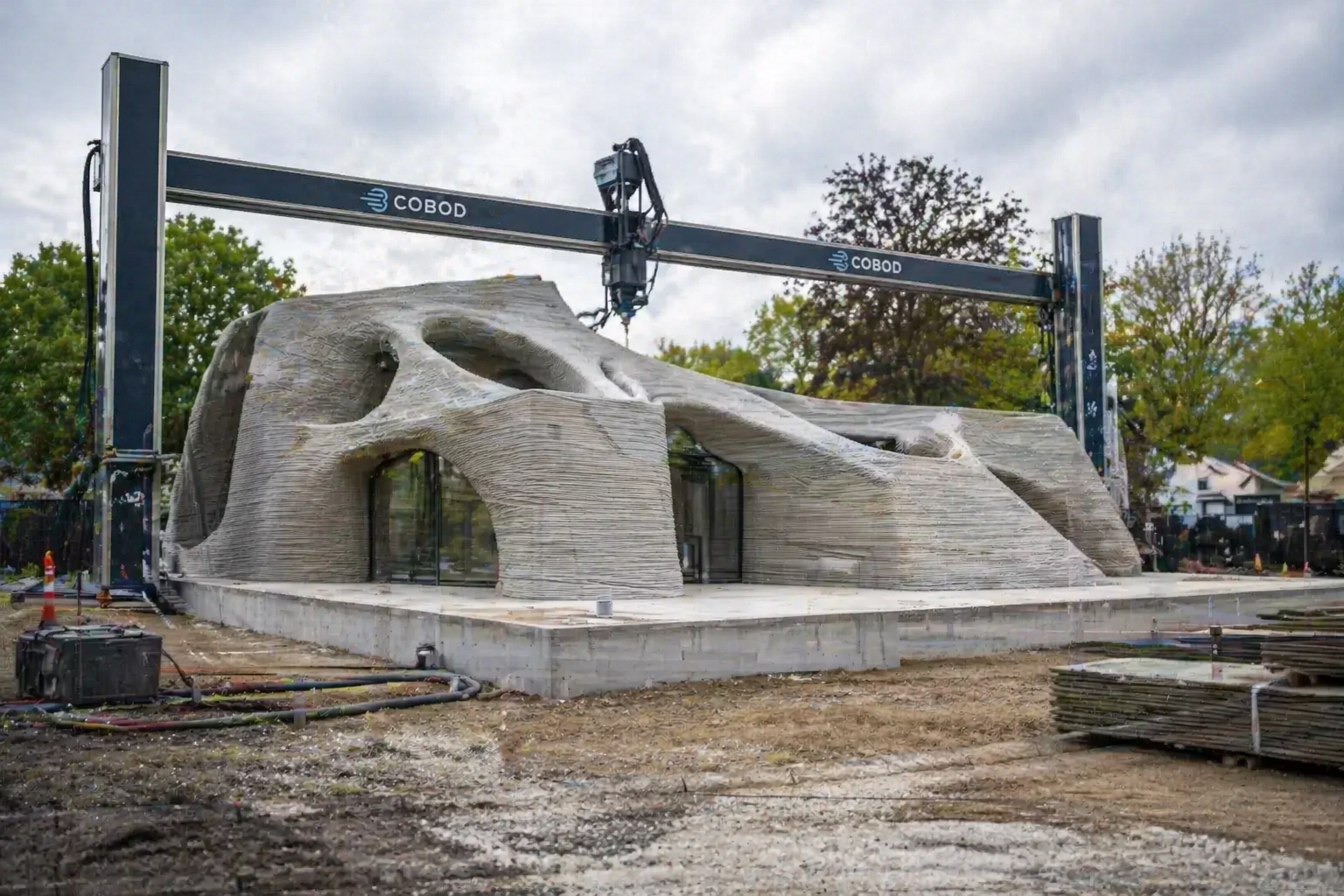

3D Concrete Printing (3DCP) is transitioning from an experimental technology to a primary construction method in 2026. This process, also known as Additive Manufacturing Construction, utilizes computer-controlled robots to layer concrete based on digital blueprints. This method eliminates traditional formwork and streamlines the transition from design to physical structure.
Venari Unlimited integrates these Automated Building Systems to provide developers with precise, scalable solutions. The technology addresses critical industry challenges including rising material costs, labor scarcity, and aggressive project schedules.
Accelerated Construction Timelines
The primary advantage of 3D Concrete Printing is the significant increase in production speed. Traditional concrete wall construction requires days or weeks for framing, pouring, and curing. Robotic systems complete the same volume of work in hours.
- Continuous Operation: Robotic arms operate without the shifts or breaks required by human crews.
- No Formwork Required: Eliminating the need for wooden or metal molds saves time during the setup and striking phases.
- Rapid Delivery: Projects can move from site preparation to structural completion up to 10 times faster than conventional methods.
This acceleration allows developers to realize returns on investment sooner and reduces the overhead costs associated with long-term construction site management.

Architectural Design and Geometrical Flexibility
Traditional construction methods prioritize straight lines and right angles due to the high cost of custom formwork. Additive Manufacturing Construction removes these geometric constraints.
Robotic nozzles follow precise digital paths, allowing for the creation of organic shapes, complex curves, and intricate textures at no additional cost. Architects can optimize structural performance by placing material only where it is required for load-bearing. This level of customization enables the creation of iconic structures that were previously considered too expensive or technically impossible to build.
Detailed information on how Venari Unlimited supports these design innovations is available on the Disciplines page.
Material Efficiency and Sustainability Goals
The construction industry is a major contributor to global waste. 3D Concrete Printing addresses this by significantly reducing material consumption.
- Zero Waste Production: The printer extrudes the exact amount of concrete required by the digital model.
- 60% Reduction in Waste: Traditional sites often order excess material that ends up in landfills. Additive manufacturing eliminates this surplus.
- Localized Sourcing: The concrete mixes used in 3DCP are often engineered for high performance using local aggregates, further reducing the carbon footprint of transportation.
By adopting Automated Building Systems, developers meet modern environmental standards while simultaneously lowering their material procurement costs.
Mitigation of Labor Shortages through Automation
The construction sector faces a persistent shortage of skilled masonry and concrete workers. 3D Concrete Printing mitigates this risk by shifting the reliance from manual labor to technological expertise.
A single technician oversees the robotic printing process, replacing a large crew of manual laborers. This shift does not eliminate jobs but rebrands them into high-tech roles that are easier to fill in the current market. Using robots for heavy lifting and repetitive tasks also improves job site safety by reducing the risk of physical injury.
For developers, this means project schedules are no longer dependent on the availability of local sub-contractors. Reliability is built into the technology itself.
Integration with Digital Workflows
Successful 3D printing requires a seamless digital pipeline. Venari Unlimited provides the framework to connect architectural designs directly to the printing hardware. This integration ensures that the physical output matches the digital intent with millimeter precision.
- Design Synchronization: Real-time updates to digital models are immediately reflected in the print path.
- Quality Control: Automated sensors monitor material consistency and layer adhesion throughout the process.
- Supply Chain Management: Digital tools track material usage to ensure uninterrupted printing.
This systematic approach is part of the broader mission to modernize building material supply chains. More details about this methodology can be found on the About Venari page.

Implementation and Next Steps
The adoption of 3D Concrete Printing is a strategic move for developers looking to gain a competitive edge in 2026. The combination of speed, design freedom, and sustainability provides a clear path to high-performance project delivery.
Venari Unlimited facilitates the adoption of these technologies by aligning world-class manufacturing partners with advanced digital tools.
To review successful applications of these technologies, visit the Portfolio section. For specific project inquiries or to discuss how additive manufacturing can be integrated into your next development, Contact the technical team today.
Meta Description: Discover how 3D concrete printing is slashing construction times by 10x and cutting waste by 60%. See why Venari Unlimited is leading the charge in additive manufacturing.
Tags: #3DConcretePrinting #FutureOfConstruction #VenariUnlimited #SustainableBuilding #RoboticConstruction