
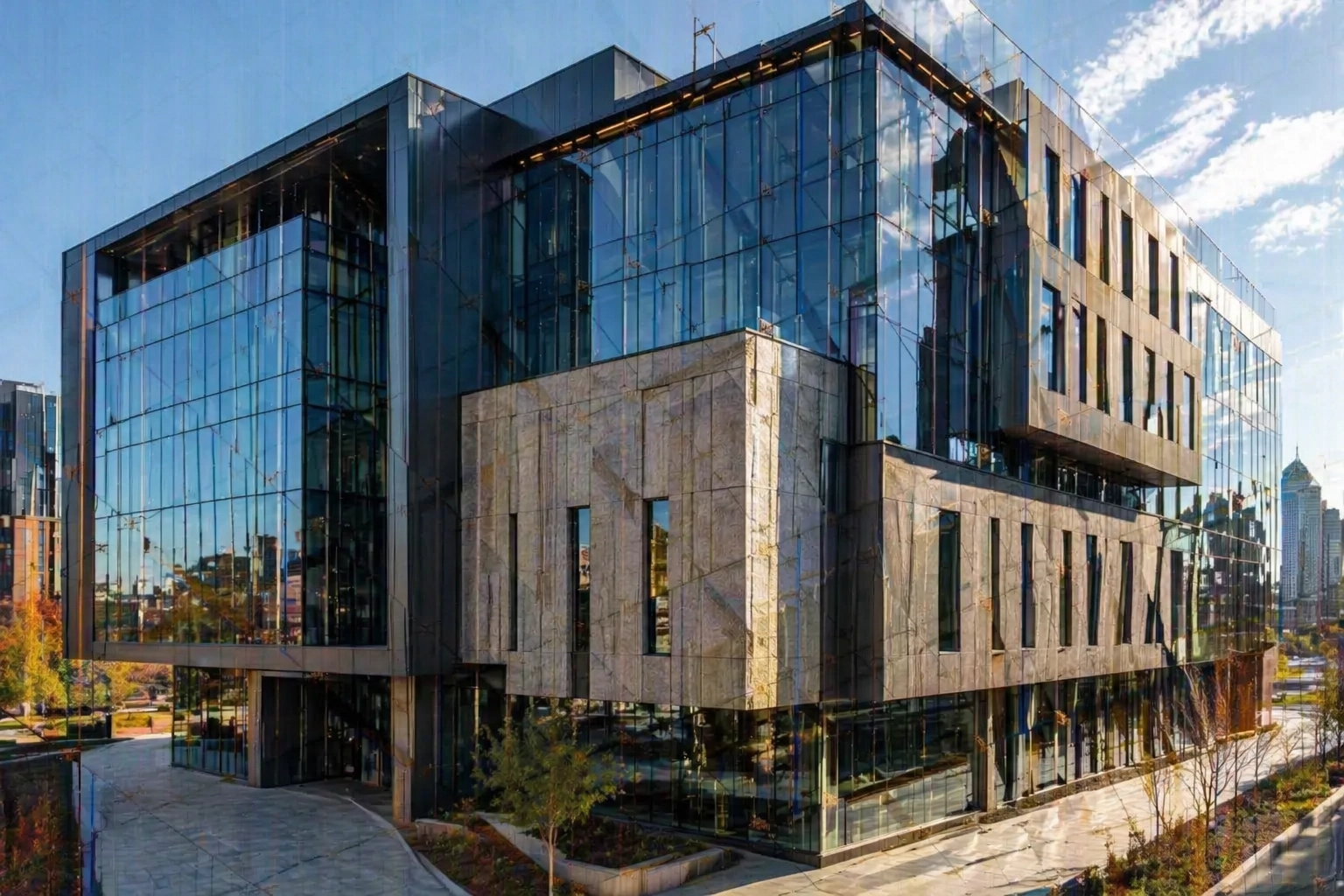

Meta Description: Think of cladding as armor for your building. Learn how modern exterior envelopes protect your project, slash energy bills, and install 4x faster than masonry.
Overview of Exterior Cladding Systems
Exterior cladding systems serve as the primary defensive layer for modern structures. This "building armor" comprises a series of components that form the exterior envelope. The primary function is the separation of the internal environment from external climatic conditions. In 2026, the integration of advanced manufacturing with digital design tools has transitioned cladding from a simple aesthetic finish to a critical performance component.
Venari Unlimited facilitates the procurement and implementation of these high-performance systems. By aligning manufacturing partners with digital workflows, the building process is optimized for maximum efficiency. These systems are engineered to address specific technical requirements: thermal resistance, moisture management, and structural integrity.
Technical Advantage: Installation Velocity
Conventional construction methods, such as traditional brick or stucco, require significant manual labor and extended timelines. Modern Exterior Cladding Systems utilize precision-engineered panels that are manufactured off-site. This modular approach allows for rapid assembly.
Installation Comparison
Data indicates that prefabricated panel systems install up to 4x faster than masonry-based alternatives.
- Reduced Labor Requirements: Fewer on-site personnel are required for assembly.
- Weather Independence: Components are manufactured in controlled environments, minimizing delays caused by environmental conditions.
- Sequential Delivery: Materials arrive in the exact order of installation, streamlining the on-site logistics.
The "mount and done" process utilizes interlocking profiles that ensure alignment within a one-millimeter tolerance. This precision eliminates the need for extensive on-site adjustments. For developers, this speed directly correlates to reduced financing costs and earlier project delivery.

Performance Specifications: Environmental Defense
The building envelope must withstand extreme environmental stressors. Modern cladding acts as a comprehensive shield against wind, rain, and solar radiation.
Rainscreen Technology
Ventilated rainscreen systems represent the current standard for high-performance envelopes. These systems utilize an air gap between the cladding material and the primary building wall.
- Moisture Control: The air gap facilitates the evaporation of moisture, preventing mold growth and structural decay.
- Pressure Equalization: These systems neutralize wind pressure, preventing rainwater from being forced into the building's interior.
- Thermal Bridge Mitigation: Continuous insulation layers reduce thermal bridging, which is common in traditional framed construction.
These Weatherproof Construction methods are critical as global weather patterns become more volatile. High-strength materials such as terracotta, ceramic, and fiber cement are selected for their resistance to impact and UV degradation.

Economic Efficiency: Thermal Regulation
Energy consumption is a primary concern for property owners and operators. Energy Efficient Materials used in modern cladding significantly lower the demand on HVAC systems.
Thermal Performance Data
Insulated metal panels (IMPs) and advanced composite envelopes provide superior R-values, often exceeding R-7 per inch of thickness.
- Heat Retention: In cold climates, the envelope prevents internal heat from escaping.
- Solar Heat Gain Reduction: In warm climates, reflective surfaces and thermal breaks prevent external heat from entering the building.
- Regulatory Compliance: These systems meet or exceed international standards, such as ISO 6946 and ASTM C1363.
Reduced energy consumption translates to lower monthly utility costs. Furthermore, high-performance envelopes increase the overall valuation of the asset by ensuring long-term operational efficiency. Venari Unlimited provides the digital tools necessary to simulate these thermal performances during the design phase, ensuring the selected materials meet project-specific goals. More information on our integrated approach can be found on our About Venari page.

Long-term Asset Protection: Durability and Maintenance
The lifecycle cost of a building is heavily influenced by maintenance requirements. Traditional exteriors often require repainting, sealing, or repair within 5 to 10 years of completion. Modern cladding materials are engineered for a service life exceeding 50 years.
Maintenance Requirements
- Color Permanence: Materials such as terracotta and certain high-pressure laminates are UV-stable, meaning they do not fade over time.
- Self-Cleaning Properties: Many modern finishes are designed to shed dirt and pollutants during rain events.
- Resistance to Pests: Non-organic materials eliminate the risk of damage from insects or rodents.
- Fire Safety: Standard compliance involves the use of non-combustible materials, which is increasingly mandatory in commercial and multi-family residential projects.
The reduction in maintenance tasks eliminates the need for recurring labor and material costs. This durability ensures that the building maintains its aesthetic and structural integrity with minimal intervention.

Integration with Digital Workflows
The success of a cladding project depends on the accuracy of the specification and procurement process. Venari Unlimited streamlines this through an integrated digital workflow. By aligning architectural designs with manufacturing capabilities early in the process, errors are minimized.
- Design Synchronization: Digital models are used to generate precise cut lists for manufacturers.
- Procurement Efficiency: Sourcing through established manufacturing partners ensures material availability and price stability.
- Logistic Oversight: Tracking components from the factory to the site ensures that the building envelope is completed on schedule.
To explore the specific disciplines involved in our delivery model, visit our Disciplines section.
Conclusion: Implementation Requirements
Transitioning to advanced cladding systems requires a strategic approach to design and procurement. The "Building Armor" strategy is no longer an optional upgrade but a necessary requirement for projects aiming for high efficiency and long-term viability in 2026.
Developers and architects must prioritize the building envelope early in the design phase to maximize the benefits of speed, protection, and energy savings. For professional consultation on exterior cladding and envelope solutions, contact our team through the Venari Unlimited Contact Page.
Tags: #ExteriorCladding #BuildingArmor #EnergyEfficiency #SustainableConstruction #VenariUnlimited #ModernFacade